How Storytelling Fosters Resilience Among Neighbors
In a world where communities face various challenges, storytelling serves as a powerful tool that fosters resilience and collaboration. This article explores how sharing narratives can strengthen local bonds and inspire collective action.
Understanding the Role of Storytelling
Storytelling is a fundamental aspect of human culture. It connects individuals through shared experiences and emotions. According to research, the act of storytelling can increase empathy and understanding, paving the way for stronger community ties. Experts in sociology suggest that when individuals share their stories, they not only express their challenges but also highlight potential solutions, creating a collaborative environment.

"Stories have the power to inspire change and build community resilience." - Community Development Expert
The Benefits of Community Storytelling
Engaging in community storytelling can yield several benefits, including:
- Strengthened Relationships: Sharing personal experiences helps neighbors understand each other better, often leading to stronger relationships.
- Increased Awareness: Storytelling can illuminate local challenges, prompting discussions about possible solutions.
- Empowerment: Many users report feeling more empowered when they share their stories, encouraging others to take action.
Research indicates that communities that actively engage in storytelling often exhibit greater resilience in the face of adversity. For example, during challenging times, such as natural disasters, communities that share their stories tend to recover more quickly, as they draw on the collective strength of their narratives.
Practical Steps to Foster Storytelling in Your Community
If you're looking to integrate storytelling into your community, consider the following practical steps:
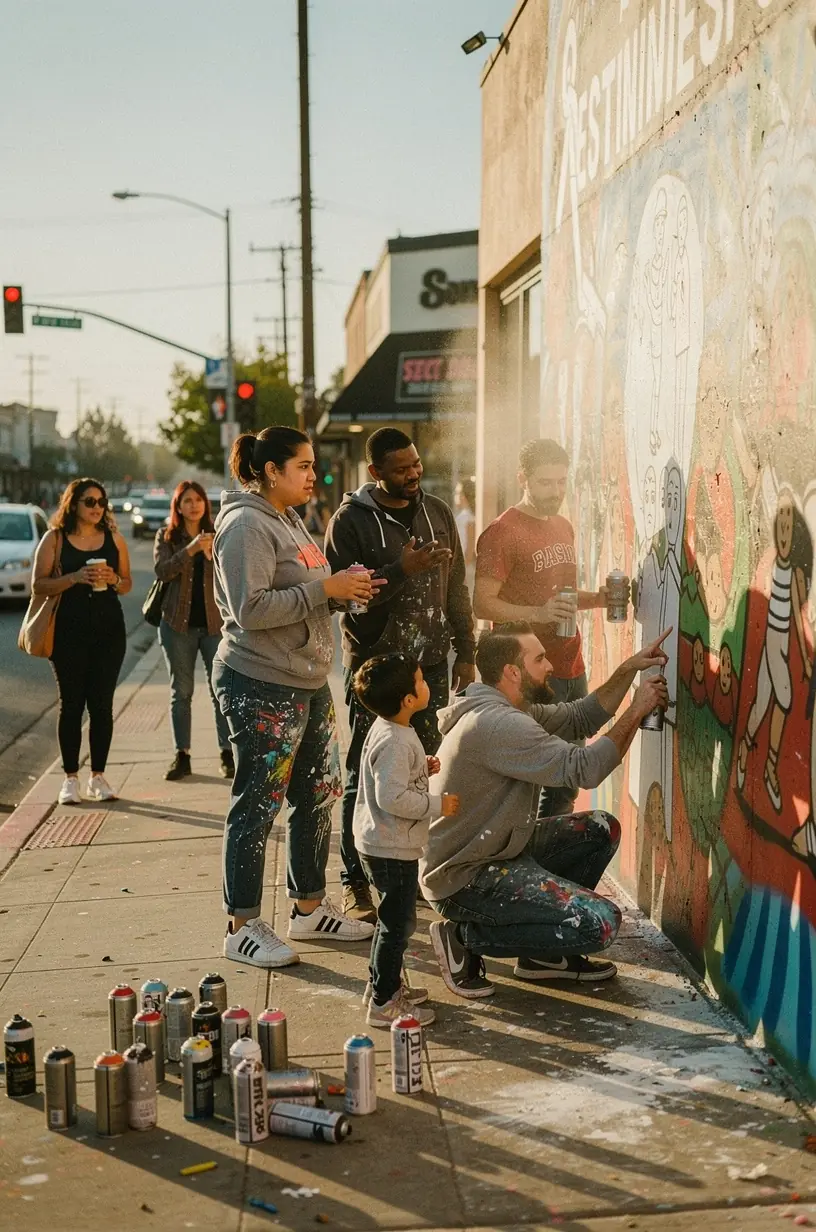
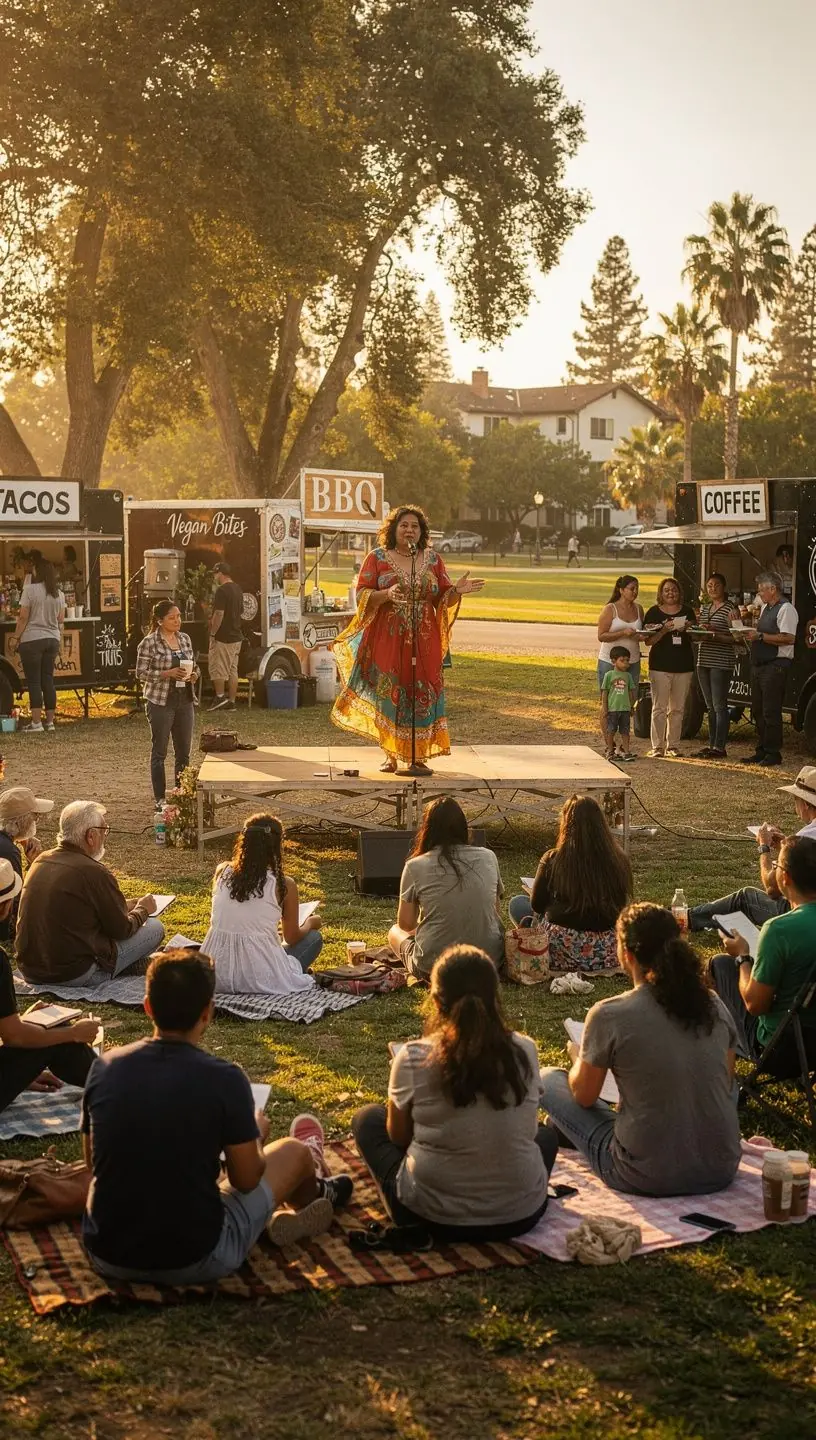
- Host Community Storytelling Events: Organize gatherings where individuals can share their stories. These events can be informal, such as a potluck, or more structured, like a storytelling night.
- Utilize Digital Platforms: Many communities are turning to online platforms to share stories. Websites and social media can be effective tools for amplifying local voices and challenges.
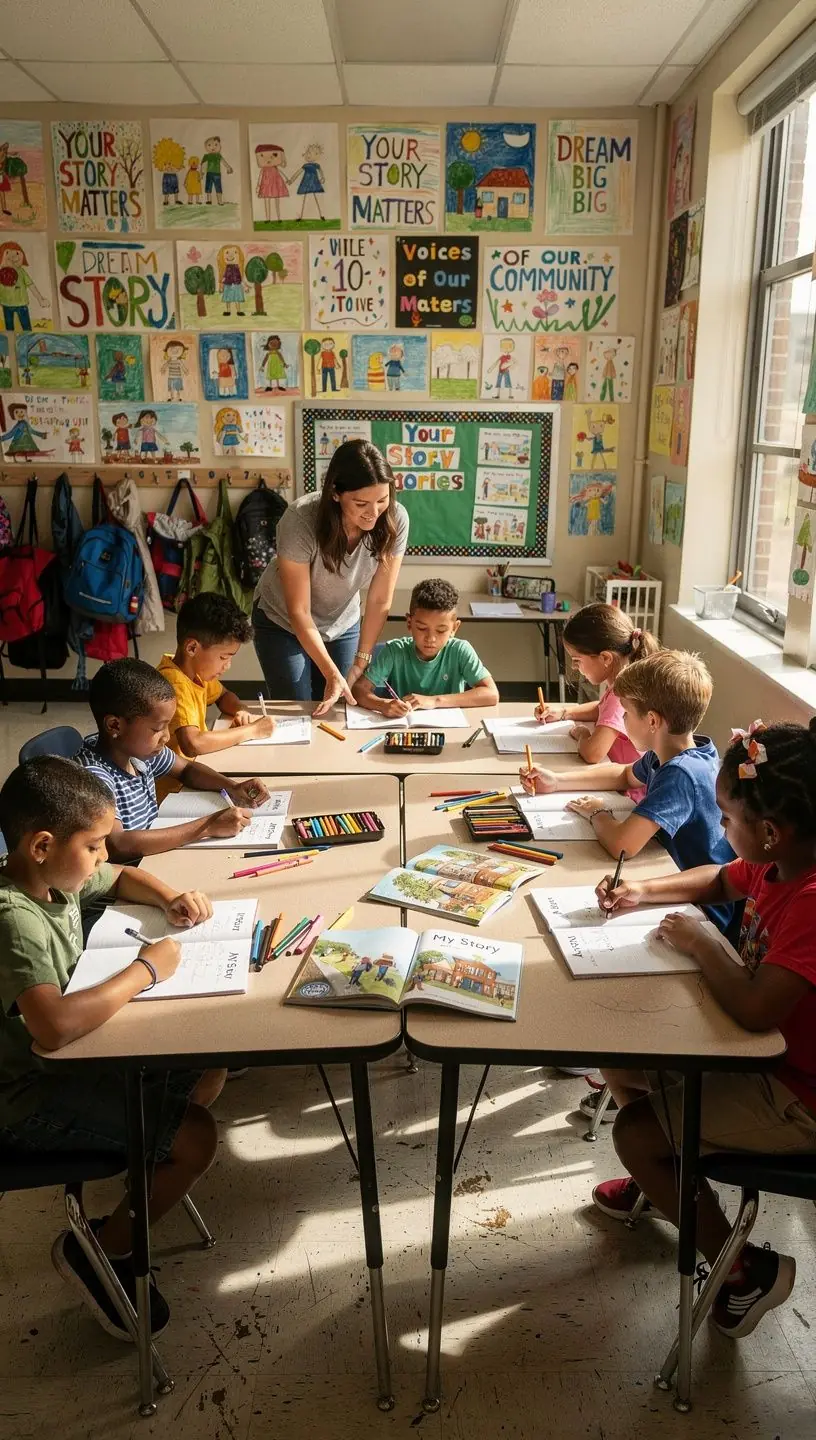
- Encourage Diverse Perspectives: Invite individuals from various backgrounds to share their narratives. This diversity can enrich the community's understanding and foster inclusivity.
It’s important to acknowledge that building a storytelling culture may take time and effort. Establishing trust among community members is essential and often requires consistent engagement. Many experts recommend starting small and gradually expanding your storytelling initiatives as interest grows.
Conclusion
Storytelling is not merely a method of communication; it is a vital process that fosters resilience and connectivity among neighbors. By sharing experiences, individuals can inspire collective action and build a supportive community environment. While establishing such initiatives requires time and dedication, the rewards, such as stronger community ties and enhanced problem-solving capabilities, are worth the effort. Embrace storytelling as a tool for resilience, and watch as your community thrives together.
Learn More