How to Engage Residents in Local Storytelling Initiatives
Engaging residents in local storytelling initiatives can foster a sense of community and promote awareness of local challenges and solutions. This article explores effective methods to involve residents in sharing their narratives, providing valuable insights for community leaders and organizers.
Understanding the Importance of Local Storytelling
Local storytelling serves as a platform for residents to express their experiences and insights about their community. According to research, communities that engage in storytelling often report higher levels of civic participation and a stronger sense of belonging. This works because personal stories resonate more deeply with listeners, fostering empathy and understanding.
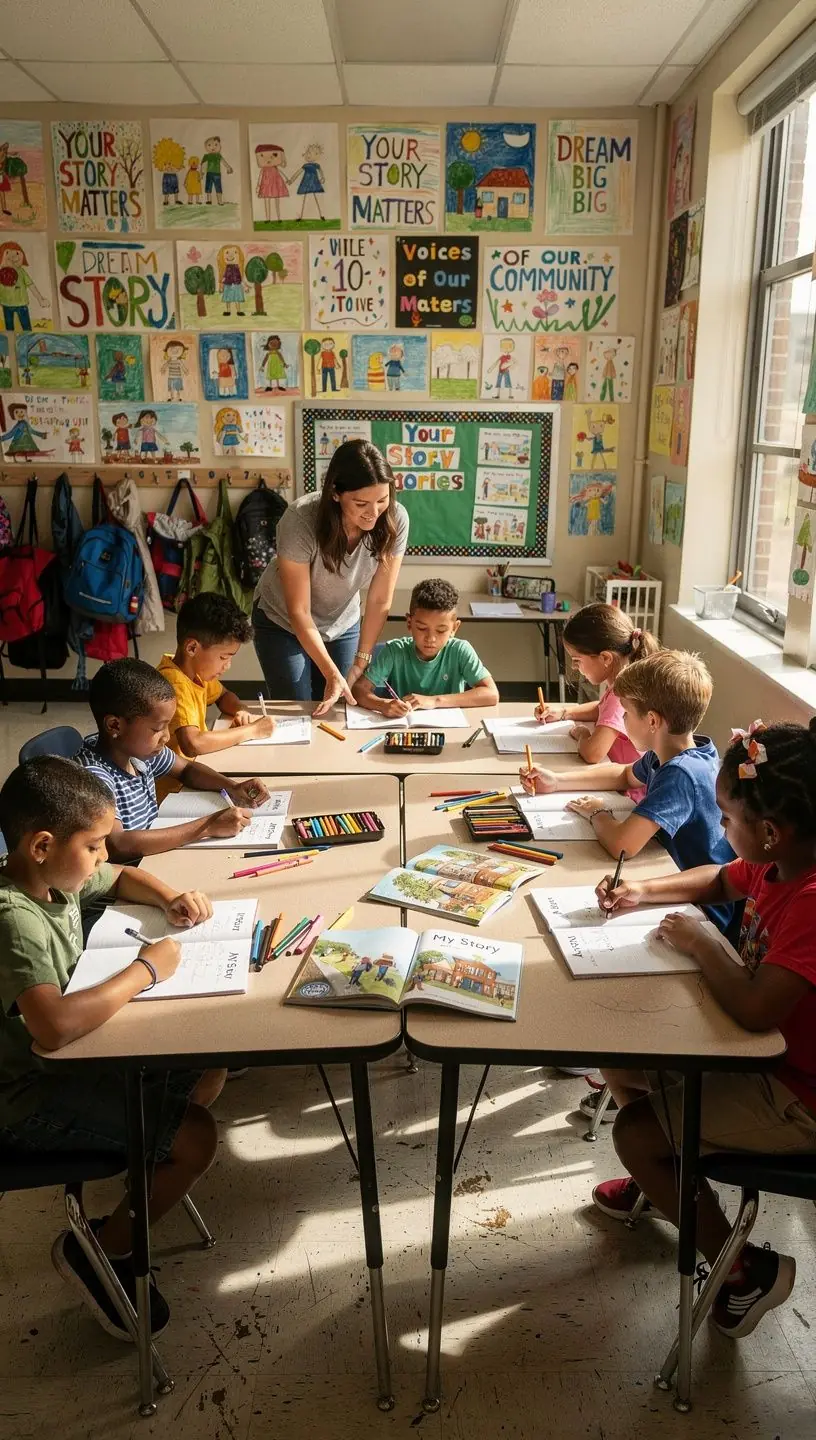
"Storytelling is a powerful tool that can bring communities together and highlight local issues." – Community Development Expert
Strategies for Engaging Residents
To successfully engage residents in storytelling initiatives, consider the following strategies:
- Create Accessible Platforms: Establish channels for sharing stories, such as community blogs, social media groups, or local events. Research indicates that platforms that are easy to access typically attract more participants.
- Host Workshops: Organizing workshops that educate residents on storytelling techniques can empower them to share their narratives effectively. Experts recommend interactive sessions where participants can practice storytelling in a supportive environment.
- Incorporate Multimedia: Using various media—such as videos, podcasts, and visual art—can enhance storytelling. Studies show that incorporating multimedia elements can increase engagement and reach wider audiences.
Building a Supportive Environment
Creating a culture that values storytelling requires ongoing effort:
- Encourage Participation: Make storytelling initiatives inclusive by inviting diverse voices from the community. This may involve outreach efforts to reach underrepresented groups.
- Provide Recognition: Recognizing contributions through events or social media shoutouts can motivate residents to share their stories. Many community leaders report that appreciation leads to increased engagement.
- Foster Collaborative Projects: Encourage residents to work together on storytelling projects that address local challenges. Collaborative storytelling not only builds relationships but also creates a shared understanding of community issues.
Challenges and Limitations
While engaging residents in storytelling can be beneficial, it's essential to acknowledge potential challenges. Participation may require time and commitment, which can vary among residents. Moreover, some individuals may feel hesitant to share personal stories due to privacy concerns. It’s crucial to create a safe and respectful environment where participants feel valued and understood.
Conclusion
Engaging residents in local storytelling initiatives can enhance community connections and shine a light on local challenges and solutions. By implementing accessible platforms, hosting educational workshops, and fostering an inclusive environment, community leaders can encourage residents to share their experiences. While challenges may arise, taking a thoughtful and supportive approach can yield rewarding results for both individuals and the community as a whole.