Exploring Collaborative Solutions to Community Problems
In a world where communities face diverse challenges, exploring collaborative solutions can be an effective approach. This article delves into how local residents in Canada can come together to tackle shared problems, fostering a sense of unity and collective responsibility.
Understanding the Basics of Collaboration
Collaboration is often seen as a key strategy in addressing community issues. According to research from the Harvard Business Review, teamwork can lead to a 20-25% increase in efficiency when tackling complex problems. This works because pooling resources and knowledge allows for a broader understanding of the challenges at hand, enabling communities to devise effective solutions.

"Collaboration amplifies the voices of community members, making it easier to identify and implement practical solutions." - Community Development Expert
Identifying Community Challenges
Before engaging in collaborative solutions, it is essential to identify the specific challenges that a community faces. Common issues include:
- Access to healthcare: Many communities struggle with inadequate healthcare facilities and services.
- Environmental concerns: Issues like pollution and waste management often require collective action.
- Social isolation: Loneliness can be a significant challenge, particularly in rural areas.
Methods for Effective Collaboration
Implementing collaborative solutions involves several steps. Here are some practical approaches:
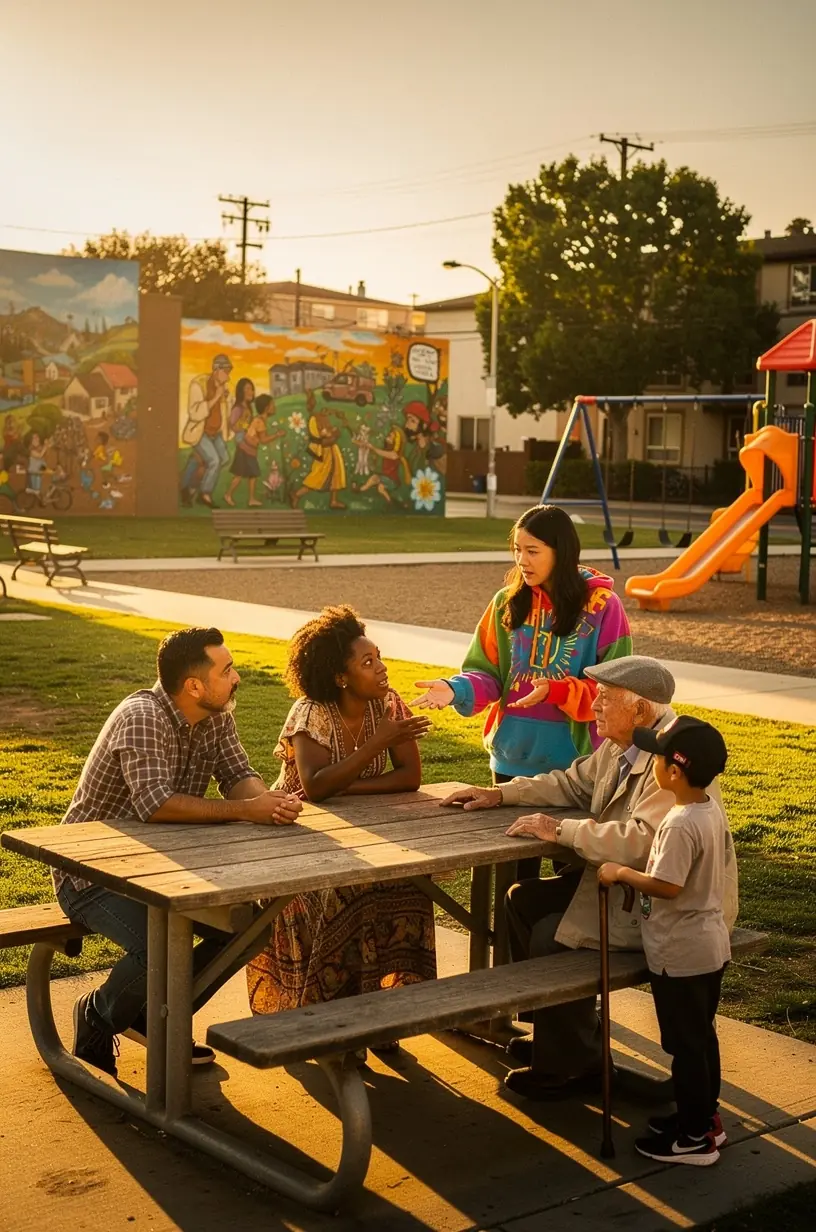
- Organize Community Meetings: Gather residents to discuss challenges and possible solutions. Experts recommend holding these meetings regularly to ensure ongoing engagement.
- Utilize Online Platforms: Platforms like guedyjymeti.mobi can facilitate discussions and idea-sharing among community members, making it easier to keep track of progress.
- Form Action Groups: Create small groups focused on specific issues. This method allows for targeted strategies and fosters accountability among members.
Challenges and Limitations
While collaboration can be effective, it is essential to acknowledge its limitations. Collaborative efforts typically require significant time and commitment. For instance, building trust among community members can take months, and not every initiative will yield immediate results. Furthermore, some solutions may not be suitable for all community contexts, necessitating a tailored approach.
Conclusion
Collaborative solutions to community problems can significantly enhance the quality of life for residents. By acknowledging challenges, engaging in open conversations, and utilizing available resources, communities can work together to forge effective paths forward. While there are limitations and challenges to consider, the potential for positive change through collaboration is substantial. By fostering a spirit of unity and cooperation, communities can tackle their challenges more effectively.
Learn More