Understanding Local Narratives in Community Building
Community building is often a complex process that thrives on local narratives. By understanding these stories, community members can better address shared challenges and collaboratively find solutions. This article delves into how local narratives shape community identity and action.
Understanding the Role of Local Narratives
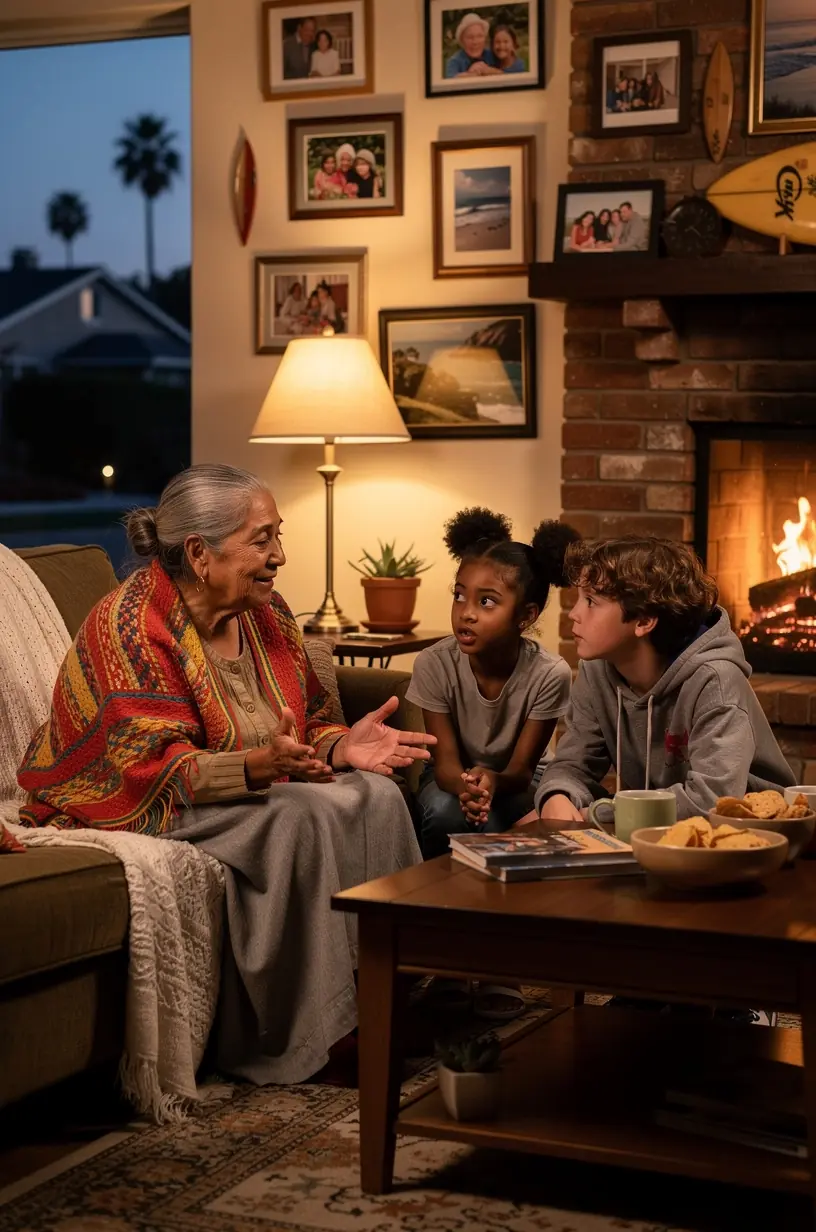
Local narratives are the stories and experiences that define a community's identity. According to research by the Canadian Institute for Community Engagement, communities that actively engage with their narratives tend to have higher levels of trust and collaboration among members. Experts suggest that these narratives can provide a framework for understanding the unique challenges faced by a community.
"Local narratives offer a valuable lens through which communities can reflect on their history, culture, and collective challenges." - Community Engagement Expert
How Local Narratives Foster Community Resilience
Understanding local narratives helps communities to identify common goals and challenges. This is essential because:
- Shared identity: When community members share their stories, it creates a sense of belonging that strengthens ties.
- Problem-solving: Many users report that discussing their challenges within a narrative context often leads to innovative solutions.
- Resource mobilization: Recognizing local strengths encourages residents to utilize available resources more effectively.
The principle behind this is that narratives provide a context for collaboration. When individuals understand each other's experiences, they are more likely to work together toward common goals.
Practical Steps to Engage with Local Narratives
Engaging with local narratives requires a commitment to listening and sharing. Here are some steps communities can take:
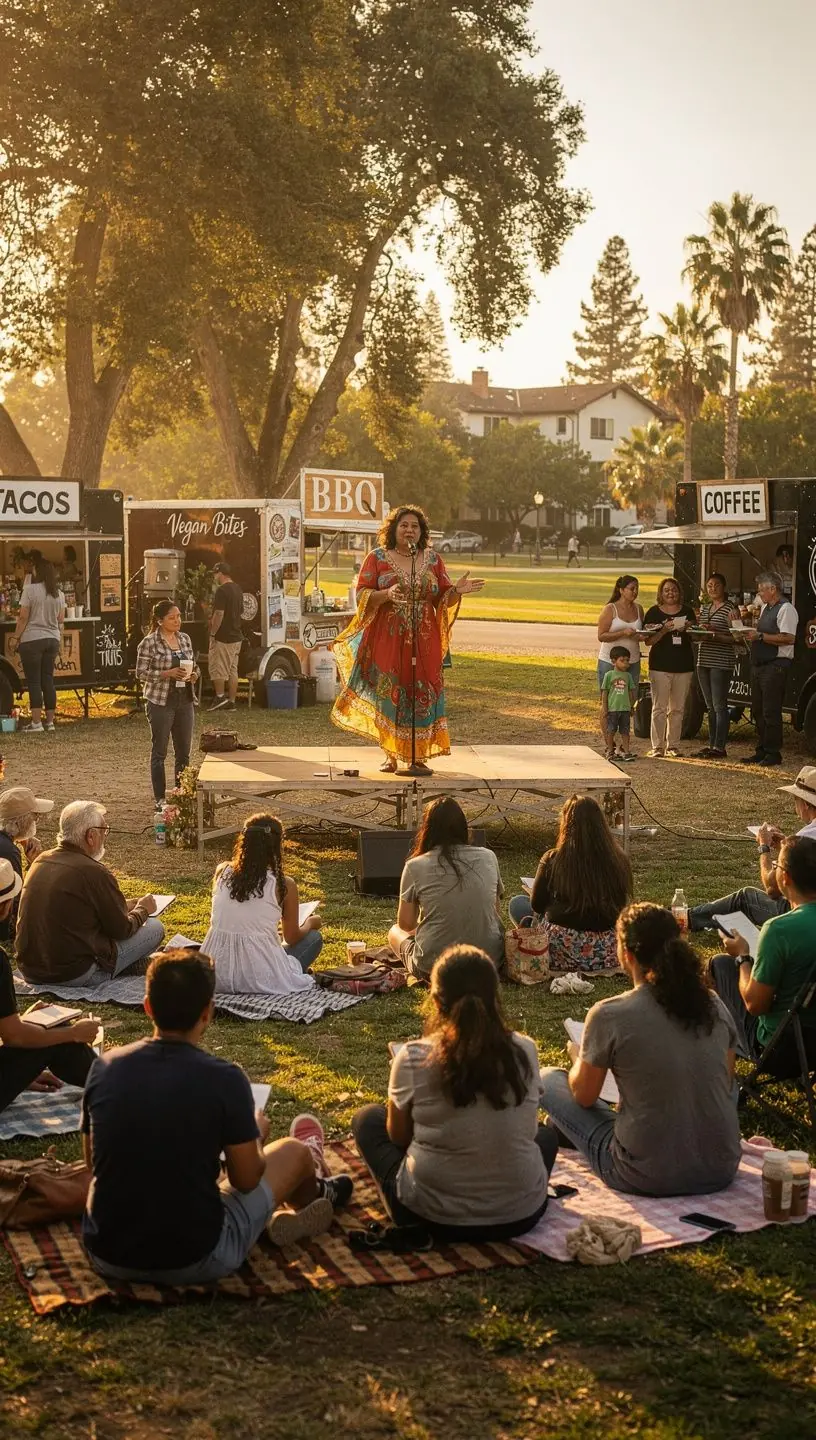
- Create safe spaces for storytelling: Organize community gatherings where individuals can share their stories without fear of judgment. This typically takes the form of workshops or discussion groups.
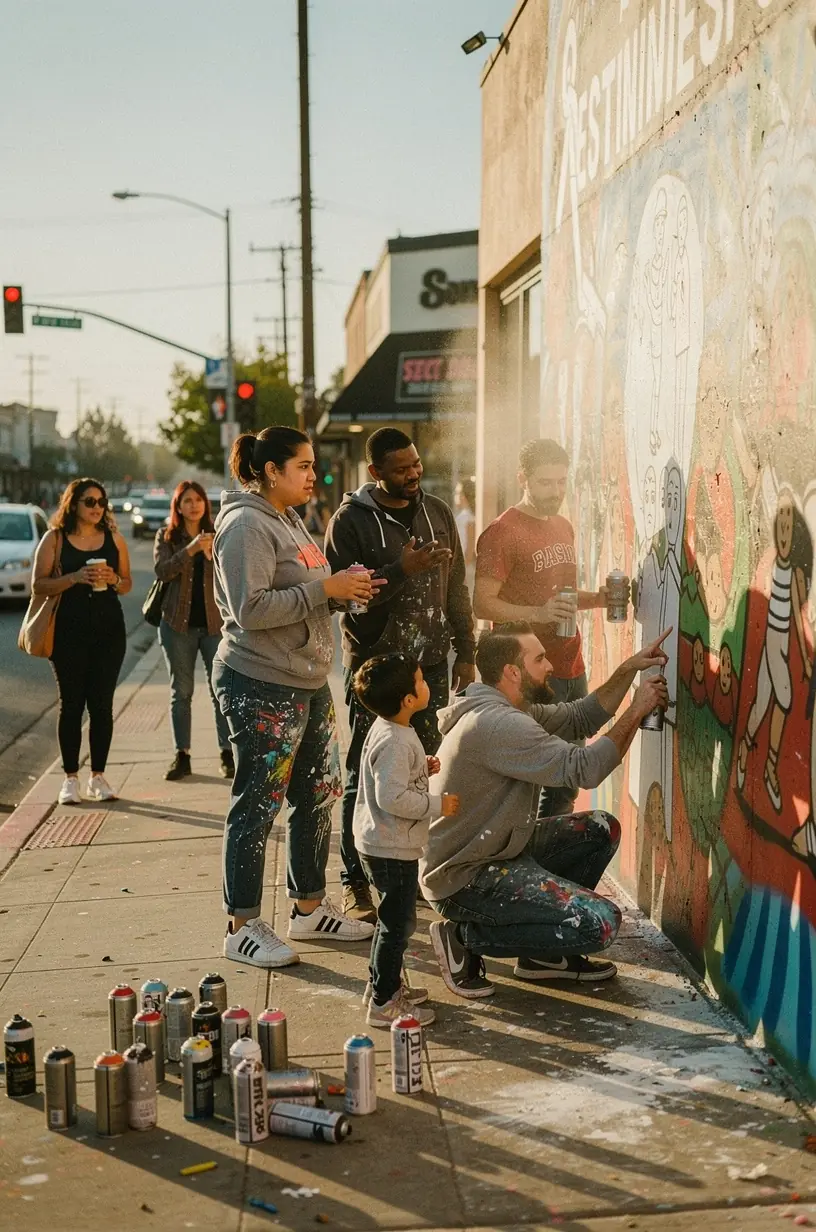
- Document and share stories: Use various mediums, such as social media or local newsletters, to document local narratives. This can help preserve them for future generations.
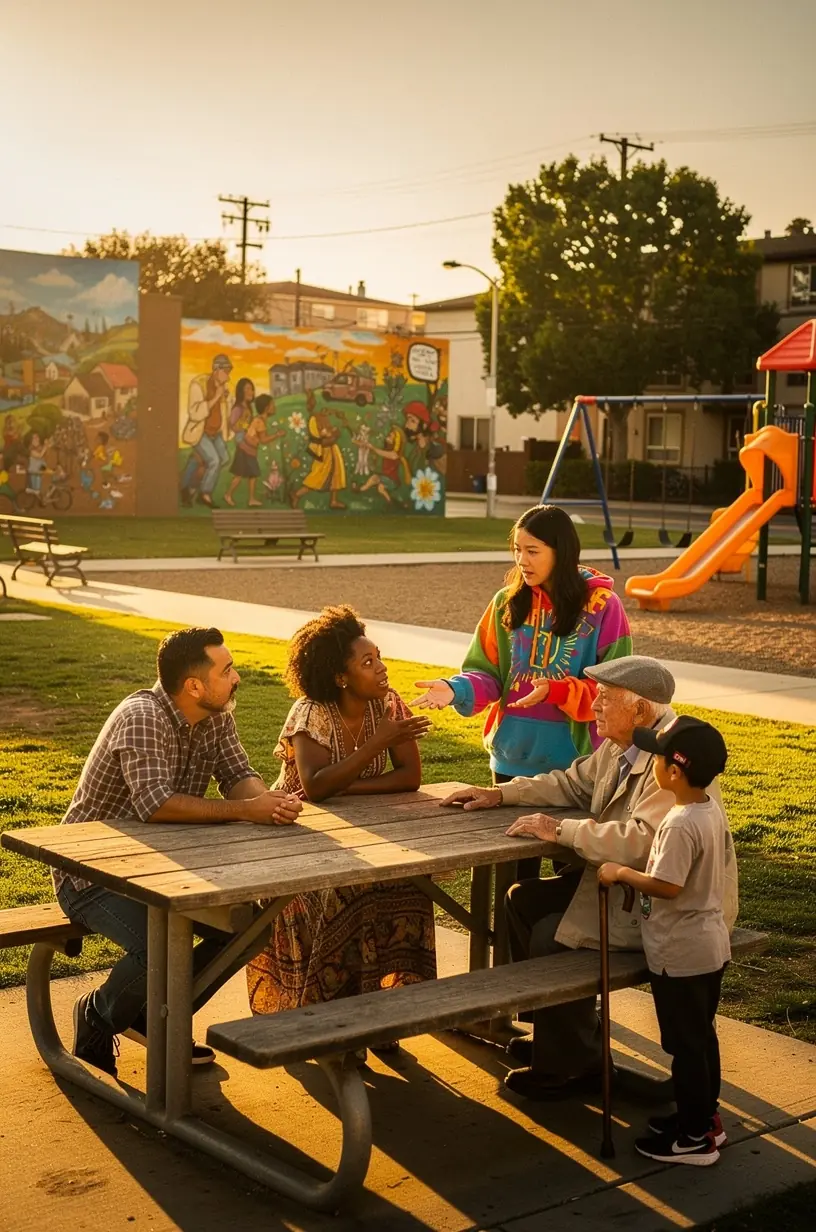
- Encourage community dialogue: Facilitate conversations around shared challenges and successes. This could involve hosting forums or town hall meetings.
It’s important to note that these activities often require ongoing effort and commitment from community members. Typically, establishing a culture of storytelling takes several months to become ingrained.
Acknowledging Limitations
While engaging with local narratives can be beneficial, it's essential to acknowledge that not all stories will resonate with every member of the community. Some narratives may be difficult or uncomfortable to engage with, and not all community members may be willing to share their experiences. In most cases, patience and understanding are key.
Conclusion
Understanding local narratives is a vital aspect of community building. By actively engaging with these stories, communities can foster resilience, trust, and collaboration. While the process may take time and effort, the potential benefits, including enhanced problem-solving and stronger community ties, are significant. Ultimately, communities that embrace their narratives will likely be better equipped to face the challenges of tomorrow.
Learn More