Navigating Cultural Diversity Through Community Stories
In a multicultural society like Canada, community storytelling serves as a vital tool for fostering understanding, empathy, and collaboration among diverse groups. This article explores how sharing local challenges and solutions through personal narratives can enhance our ability to navigate cultural diversity effectively.
Understanding the Role of Storytelling
According to research conducted by the National Arts Council, storytelling is a powerful medium that can bridge gaps between different cultures. When individuals share their personal experiences, it creates pathways for understanding and connection. Experts recommend that storytelling should be valued not just for its entertainment, but for its potential to foster social cohesion.
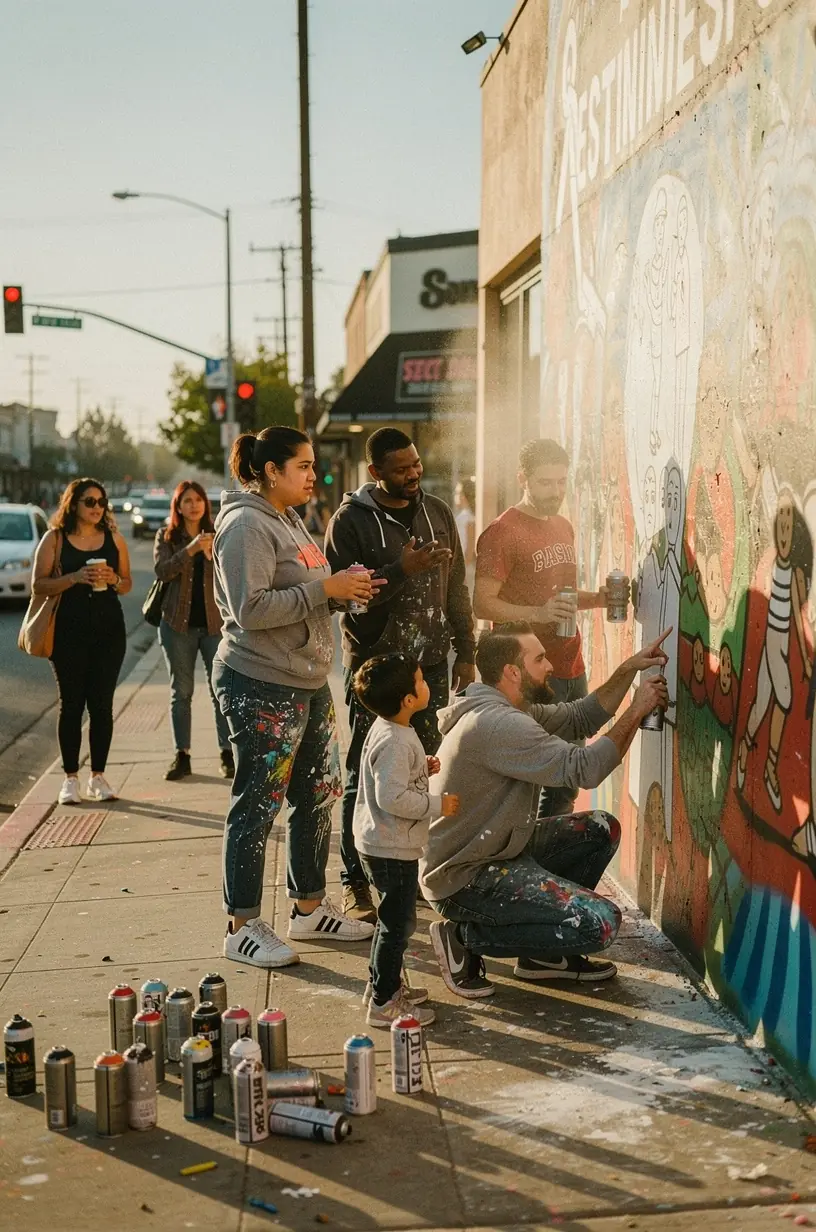
"Storytelling is the heart of community engagement; it allows us to see the world through someone else's eyes." – Community Development Expert
The Impact of Cultural Narratives
Engaging with cultural narratives can often lead to increased empathy and awareness. Studies show that communities that actively share their local stories see a reduction in cultural barriers and misunderstandings. This practice works because when individuals hear stories from different backgrounds, it challenges preconceived notions and fosters a more inclusive environment.
Practical Applications of Community Storytelling
- Organize Storytelling Events: Community gatherings can provide a safe space for individuals to share their experiences. Typically, such events require careful planning and facilitation to ensure everyone feels comfortable participating.
- Utilize Digital Platforms: Many users report success in sharing their stories online, through platforms designed for community engagement. This method can reach a broader audience, but it often involves a learning curve regarding how to effectively share content.
- Encourage Collaborative Projects: Collaborative storytelling projects can help highlight specific local challenges. In most cases, these projects benefit from diverse perspectives, which can enhance the solutions generated.
Challenges and Considerations
While storytelling can be incredibly effective, it is essential to acknowledge some limitations. For one, not everyone may feel comfortable sharing their stories, especially in public forums. Additionally, storytelling initiatives typically take time to build momentum and may require ongoing commitment from community members.
Conclusion
In conclusion, navigating cultural diversity through community storytelling is an effective approach that encourages inclusivity and empathy. By prioritizing educational value and sharing personal narratives, communities can address local challenges while fostering a deeper understanding of one another. As you consider how to apply these insights in your own community, remember that the journey of storytelling takes time, effort, and dedication, but the results may significantly enrich the social fabric of our diverse society.