Understanding the Role of Storytelling in Civic Engagement
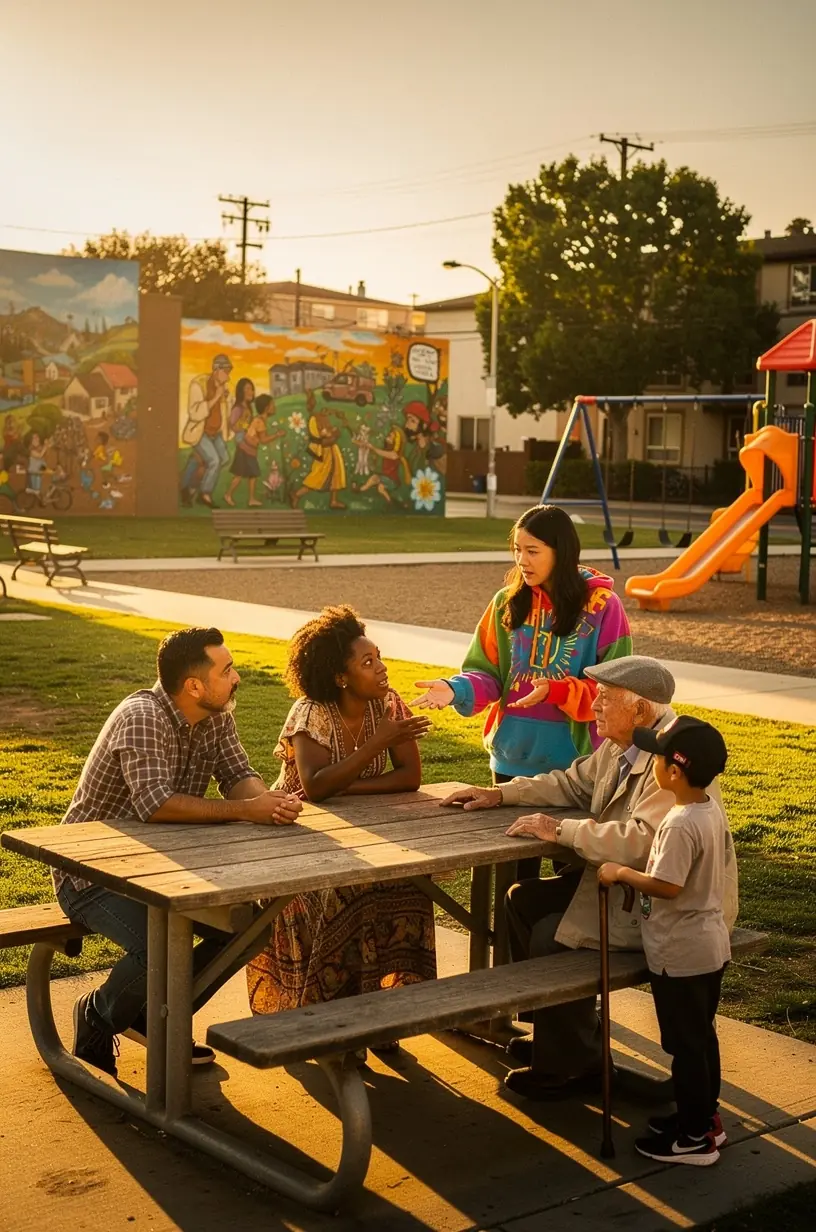
In today's rapidly changing world, the power of storytelling has emerged as a vital tool in fostering civic engagement. This article explores how storytelling can unite communities, address local challenges, and inspire action toward positive change.
The Importance of Storytelling in Community Dynamics
According to research from the National Civic League, storytelling is a fundamental way communities share experiences, values, and challenges. By weaving narratives that resonate with diverse audiences, individuals can foster empathy and understanding. Stories often highlight the struggles faced by community members, making issues more relatable and actionable.

"Storytelling transforms data into human experience, helping communities connect on a deeper level." - Civic Engagement Expert
How Storytelling Facilitates Civic Engagement
Storytelling plays a crucial role in civic engagement for several reasons:
- Creating Connection: Stories often reflect shared values and experiences. When individuals hear narratives that mirror their own, it fosters a sense of community and belonging.
- Raising Awareness: In many cases, storytelling can illuminate local challenges that may otherwise go unnoticed. A well-told story can draw attention to pressing issues and motivate community action.
- Inspiring Action: Stories have the power to motivate individuals to get involved. Research indicates that emotional narratives can often spur civic participation—leading to increased volunteerism and community initiatives.
Effective Methods for Utilizing Storytelling
When implementing storytelling as a tool for civic engagement, consider the following strategies:
- Engage Diverse Voices: Ensure that you include a variety of perspectives in your narratives. This typically involves gathering stories from different community members to provide a well-rounded view of local challenges.
- Utilize Multiple Platforms: Stories can be shared through various mediums—written articles, podcasts, and social media. Experts recommend using multiple channels to reach a broader audience.
- Encourage Community Participation: Involve community members in the storytelling process. This can range from hosting workshops to collect stories to encouraging residents to share their experiences online.
Acknowledging Limitations
While storytelling can be a powerful tool for civic engagement, it is not without its challenges. Gathering stories can be a time-consuming process, often requiring several weeks of outreach and community involvement. Moreover, not all stories will resonate with every audience, so it's important to tailor narratives to specific groups.
Conclusion
In summary, storytelling serves as a vital mechanism for fostering civic engagement within communities. By understanding the principles behind effective storytelling and acknowledging its limitations, communities can harness its potential to inspire change and address local challenges. Engaging narratives can motivate individuals to participate more actively in civic life, leading to a more connected and collaborative community.